Last updated 2026-07-30
TL;DR
Scream cream isn't sold over the counter or on Amazon legally. It's a compounded prescription topical, so legal purchase means getting a prescription from a licensed provider (often via telehealth) filled by a state-licensed compounding pharmacy. There's no single FDA-approved formula; ingredients and strengths vary by pharmacy, and no version has proven efficacy in large trials.
Is scream cream legal to buy, and where does it actually come from?
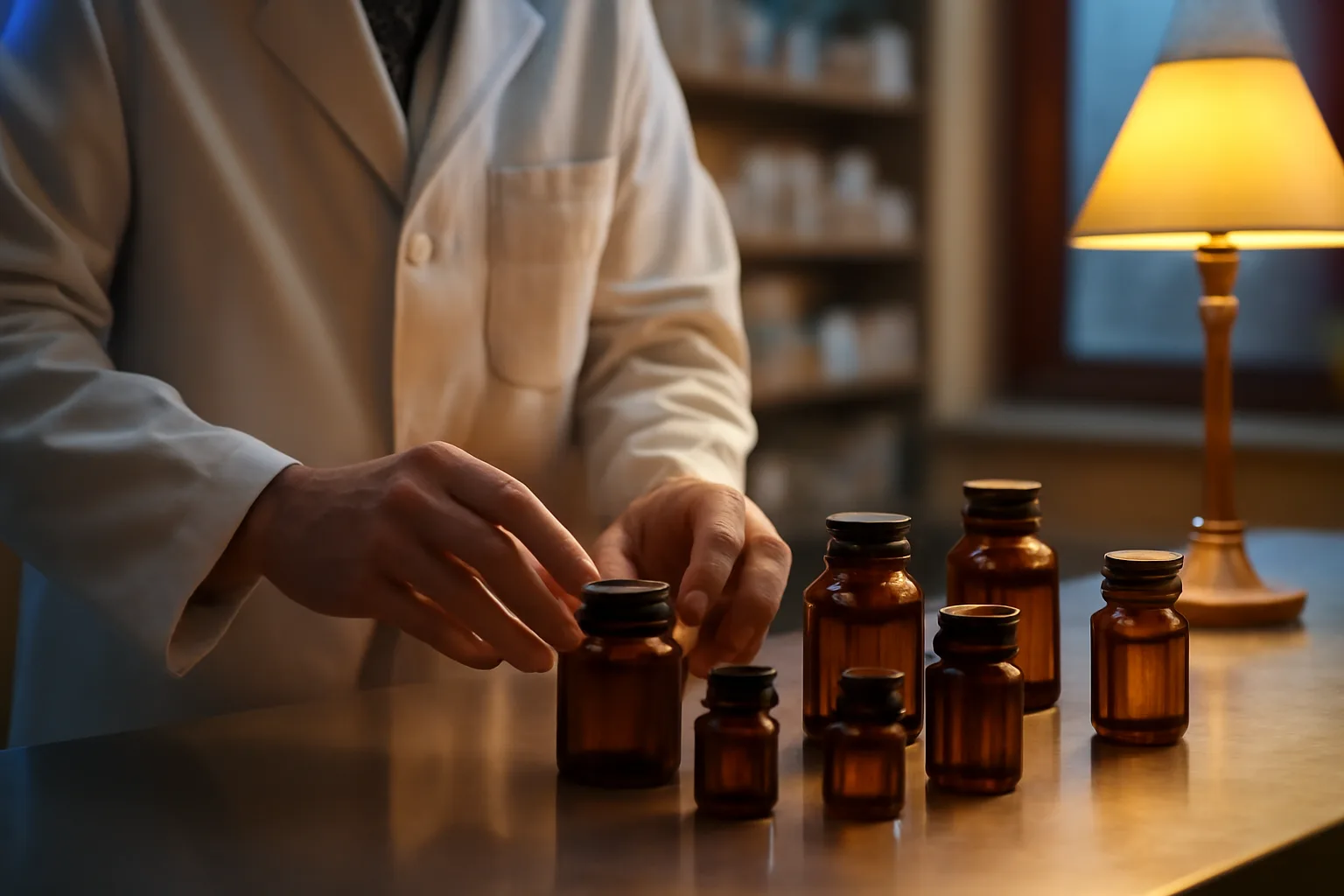
Yes, it's legal, but not the way a lot of ads make it sound. Scream cream is a compounded medication, which means a licensed pharmacy mixes it to order based on a prescriber's order, rather than a drug company manufacturing a single standardized product that the FDA reviewed and approved. That's a real legal category. The FDA explains that compounded drugs are made for individual patients when a commercially available drug doesn't meet their needs, and the agency is direct about the tradeoff: compounded drugs "are not FDA-approved," and the agency "does not verify the safety, effectiveness, or quality of compounded drugs" [1]. So the legal path is not a storefront or a marketplace listing. It's a prescription. A licensed prescriber (a physician, nurse practitioner, or physician assistant depending on your state's scope-of-practice rules) writes an order, and a state-licensed compounding pharmacy fills it. That pharmacy can be a traditional retail compounding pharmacy or one of the larger pharmacies that ships nationally after review by pharmacists licensed in your state. If you see "scream cream" for sale with no prescription requirement at all, on a random website or a marketplace listing, that's a red flag, not a bargain. Legitimate compounding pharmacies are licensed by state boards of pharmacy, and many that ship across state lines also register with the FDA under Section 503B of the Food, Drug, and Cosmetic Act, which covers larger-scale "outsourcing facilities" that must follow current good manufacturing practice requirements [2].
What's actually in scream cream, and is there one standard formula?
There's no single standard formula, and that's worth sitting with before you buy anything. Because it's compounded, each pharmacy can vary the ingredients and the concentrations based on what the prescriber orders. The most common base is topical sildenafil, sometimes combined with L-arginine, and occasionally other additions like minoxidil, ergoloid mesylates, or other vasodilators depending on the pharmacy's protocol. The theory is that these ingredients increase local blood flow to genital tissue, similar to how oral sildenafil (Viagra) works for erectile function in men, though the mechanism in female arousal is far less studied. Because there's no FDA-approved reference formula, you can't assume that "scream cream" from one pharmacy matches "scream cream" from another. Strength, base cream, and added ingredients differ. That variability is exactly why the legal purchase route matters: a licensed pharmacist reviewing a prescriber's order is your main quality check, since there's no FDA batch approval standing behind the product. If you want a fuller ingredient breakdown, our scream cream pros and cons piece covers what's typically in different versions and the tradeoffs of each.
Can you buy scream cream without a prescription?
Not legally, no. Any topical compounded with sildenafil requires a prescription because sildenafil itself is a prescription-only drug in the United States, regardless of the dose or the base it's mixed into. A pharmacy that sells you a sildenafil-containing cream with no prescriber involved is operating outside the law, and you also have no clinical oversight if something goes wrong. Some sellers get around this by using only over-the-counter ingredients (like L-arginine alone, without sildenafil) in a cream they market with a similar name. That's legal to sell without a prescription, but it's also a different, and generally less studied, product than the sildenafil-based version most people mean when they say "scream cream." Read the label. If it doesn't list an active pharmaceutical ingredient that requires a prescription, you're not getting the same thing. If your goal is the sildenafil-based compound, the realistic and legal path is: online or in-person visit with a licensed prescriber, a prescription written to a specific compounding pharmacy, and that pharmacy shipping or dispensing the product to you.
How does telehealth prescribing for scream cream actually work?
Most people now get this prescription through a telehealth visit rather than an in-person exam, and that's generally legal, with some real limits. Telehealth platforms connect you with a licensed nurse practitioner or physician who reviews your health history, sometimes over a short video or messaging visit, and decides whether to prescribe. If they do, the prescription routes electronically to a compounding pharmacy the platform partners with. This is the same basic structure used by telehealth erectile dysfunction and hair loss services, just applied to a female arousal product. The legal wrinkle is that prescribers generally need to be licensed in the state where the patient is physically located at the time of the visit, per state medical and nursing board rules, more than the state where the telehealth company is headquartered [3]. Reputable platforms check this. Sketchier ones sometimes don't, which is one more reason to look for services that name their prescribers and pharmacy partners rather than staying vague about who's actually writing the script and filling it. Scream Cream Rx's own approach is to route interested readers to a provider-reviewed telehealth pathway, where a licensed prescriber evaluates the request before anything is sent to a named compounding pharmacy partner for fulfillment. The brand itself doesn't compound or manufacture anything; it connects you to that clinical and pharmacy chain.
What does scream cream cost, and does insurance cover it?
Expect to pay out of pocket. Compounded medications are almost never covered by insurance, because insurers generally only reimburse FDA-approved drugs dispensed per their approved labeling, and compounded products don't have that approval status [1]. Pricing varies a lot by pharmacy, tube size, and whether a telehealth consult fee is bundled in, but compounded topical creams like this commonly run somewhere in the range of $40 to $120 per tube depending on the pharmacy and quantity, plus any separate consult fee if the telehealth visit isn't included. There's no universal, government-set price for a compounded drug the way there sometimes is for a generic, so treat any number you see, including that range, as a starting point for comparison shopping rather than a fixed rate. If a seller is charging FDA-approved-drug prices ($200+ per month, similar to branded Addyi) for an unapproved compounded cream, ask why. Compounding is generally cheaper to produce than a full FDA drug approval pathway, and pricing should reflect that.
How does scream cream compare to Addyi and Vyleesi, the FDA-approved options?
They're not really substitutes for each other, and that distinction matters more than most marketing admits. Addyi (flibanserin) and Vyleesi (bremelanotide) are the two FDA-approved drugs for hypoactive sexual desire disorder in premenopausal women [4][5]. Both work systemically, on brain chemistry and desire, not locally on genital blood flow. Scream cream, by contrast, is a topical local-arousal product, not a desire drug, and it isn't FDA-approved for any indication. Addyi is a daily pill that showed a modest benefit in trials: in phase 3 studies, women on flibanserin reported roughly 0.5 to 1 more "satisfying sexual event" per month than those on placebo, and it carries a boxed warning about severe low blood pressure and fainting when combined with alcohol [4]. Vyleesi is an as-needed injection taken before sex; in its trials, about 25% of women on Vyleesi reported a meaningful increase in desire versus about 17% on placebo, a modest gap, and common side effects include nausea (reported by about 40% of users) and flushing [5].
| Product | FDA-approved? | How it works | Use pattern | Key limitation |
|---|---|---|---|---|
| Scream cream | No | Local, topical (commonly sildenafil + L-arginine) | Applied before sex | No standard formula, limited trial evidence |
| Addyi (flibanserin) | Yes | Systemic, brain serotonin/dopamine pathways | Daily pill | Modest effect size, alcohol interaction warning |
| Vyleesi (bremelanotide) | Yes | Systemic, melanocortin receptor agonist | As-needed injection | Nausea common, modest effect size |
Some women use a topical like scream cream alongside, not instead of, a desire treatment, because they're targeting different symptoms (low desire vs. low local arousal or sensation). Talk to a prescriber about which problem you're actually trying to solve before assuming one product covers it.
What does the evidence actually say about topical arousal creams like this?
It's thin, and it's mixed. This is not a case where the science is settled and marketing is just simplifying it; the underlying research base for topical sildenafil-type creams in women is small, uses varied doses and formulas across studies, and hasn't produced the kind of consistent, large-trial results that Addyi and Vyleesi went through for FDA approval. Some small studies on topical or oral sildenafil in women with arousal difficulties (particularly those tied to antidepressant use or certain medical conditions) have found modest improvements in measures like genital blood flow or self-reported arousal, while others found no significant difference from placebo. Because "scream cream" isn't a single studied product, there's no large clinical trial testing the exact combination and dose that any specific pharmacy sells you; you're relying on the general pharmacology of the ingredients, not a trial of the finished cream itself. If you want the fuller evidence rundown, including which studies exist and what they actually measured, that's covered in depth on scream cream reviews and scream cream success rate. Worth reading before you spend money, honestly, because the honest answer is "we don't have good data on the finished product," not "it's proven to work."
How do I check if a seller is a legitimate, licensed pharmacy?
A few concrete checks take less than five minutes and rule out most of the sketchy operators. First, look for a named compounding pharmacy, more than a brand name for the cream itself. Every legal batch of scream cream is filled by an actual pharmacy with a real name and a real license. Second, check that pharmacy's license with the state board of pharmacy where it's located; most state boards have a public license lookup tool. Third, see whether the pharmacy is registered with the FDA as a 503A or 503B compounder; 503B outsourcing facilities are listed in a public FDA registry and are held to higher manufacturing standards, similar to conventional drug manufacturers [2]. Fourth, and this one's simple: does the site require any prescriber review at all? If you can add a sildenafil-containing cream to a cart and check out with a credit card and nothing else, that's not a legal purchase path for a prescription drug, full stop. A legitimate telehealth-to-pharmacy pipeline always has a licensed clinician in the loop before the pharmacy ships anything.
What are the safety and side effect basics I should know before buying?
Topical sildenafil creams are generally considered lower-risk than oral sildenafil because absorption into the bloodstream is limited, but "lower-risk" isn't "no-risk," and this is where an actual prescriber conversation earns its cost. Local irritation, redness, or a burning sensation at the application site are the most commonly reported issues with topical arousal creams. Because absorption varies by formula and by skin, some systemic sildenafil side effects (headache, flushing, low blood pressure) are possible, especially at higher concentrations or with certain other medications, including nitrates used for chest pain and blood pressure medications, where sildenafil interactions can be genuinely dangerous [6]. That's a real reason not to buy from a source that skips the medical history review entirely. Because there's no FDA oversight of the specific finished product, quality can vary between pharmacies in ways that matter for safety, more than effectiveness: how well the active ingredient is dispersed in the cream, how stable it is, whether the compounding pharmacy follows proper sterile or non-sterile compounding practices under USP standards. This is another argument for sticking with pharmacies that are licensed, inspected, and named, rather than unmarked tubes from anonymous sellers.
What should I expect for timeline and results after I buy?
Don't expect an instant, dramatic effect the first time, and don't assume the same timeline applies to everyone, since formulas and doses differ by pharmacy. Most people apply the cream a short window before sexual activity, commonly somewhere in the 15 to 45 minute range depending on the specific product's instructions, and effects (if any) are meant to be local and short-lived, not a lasting daily change like Addyi. Some women report noticeable warmth, sensitivity, or lubrication changes within that pre-activity window; others report little to nothing, which lines up with the mixed clinical picture described above. If you want a realistic sense of what "working" looks like and how long people typically try it before deciding, scream cream results timeline and scream cream before and after go through real reported patterns in more detail. If you're still deciding whether this is worth trying at all before you spend the money, is scream cream worth it walks through that decision directly, including who's a reasonable candidate and who probably isn't.
What's the actual step-by-step to buy scream cream legally?
Here's the practical version, stripped of marketing language. 1. Talk to a licensed provider, in person or via telehealth, about arousal or sensation concerns and confirm topical sildenafil compound is a reasonable option for you given your health history and medications. 2. Get a prescription written specifically to a named, licensed compounding pharmacy (503A community pharmacy or 503B outsourcing facility). 3. Ask the pharmacy directly what's actually in the formula, sildenafil percentage, L-arginine or not, any other additives, and at what concentration. 4. Confirm the pharmacy's state license and, if it ships across state lines, its 503B registration status if applicable. 5. Pay out of pocket (insurance typically won't cover it), expect a range roughly in the $40 to $120 per tube ballpark depending on pharmacy and quantity, and get clear instructions on timing and application. 6. Do a small patch test if you're prone to sensitivity, and stop if you get significant irritation, and call your prescriber if you notice any systemic symptoms like unusual headache, flushing, or dizziness. That's the whole legal path. No step involves a marketplace listing or a no-questions-asked checkout.
Frequently asked questions
Is scream cream FDA-approved?
No. Scream cream is a compounded medication, and the FDA states plainly that compounded drugs "are not FDA-approved" and the agency doesn't verify their safety, effectiveness, or quality the way it does for approved drugs. The only FDA-approved drugs for female sexual dysfunction are Addyi and Vyleesi, and those treat low desire, not local arousal.
Can I buy scream cream on Amazon or eBay?
Not legally if it contains sildenafil, which requires a prescription in the U.S. regardless of the form it's in. Listings claiming to sell a sildenafil-based arousal cream with no prescription are operating outside pharmacy law. Some OTC-labeled 'arousal creams' with only non-prescription ingredients are sold online, but they're a different product than prescription scream cream.
Do I need a prescription for scream cream?
Yes, if it contains sildenafil, which is the most common active ingredient in scream cream formulas. Sildenafil is prescription-only in the United States at any dose or delivery form, so a licensed prescriber has to write an order before a compounding pharmacy can legally fill it.
How much does scream cream cost without insurance?
Pricing varies by pharmacy and tube size, but compounded topical creams like this commonly fall somewhere between $40 and $120 per tube, sometimes plus a separate telehealth consult fee. Insurance generally doesn't cover compounded drugs since they lack FDA approval, so expect to pay out of pocket.
What's the difference between scream cream and Addyi?
Scream cream is a topical, local product usually built around sildenafil, applied before sex to try to increase local blood flow and sensation. Addyi (flibanserin) is a daily oral pill, FDA-approved, that works on brain chemistry to treat low sexual desire, a different symptom than local arousal, with its own modest trial results and an alcohol interaction warning.
What's the difference between scream cream and Vyleesi?
Vyleesi (bremelanotide) is an FDA-approved, as-needed injection for low sexual desire in premenopausal women, working through brain melanocortin receptors. Scream cream is an unapproved, compounded topical aimed at local genital arousal rather than desire, and has no equivalent large-scale FDA trial data behind it.
Is there a standard scream cream formula every pharmacy uses?
No. Because it's compounded rather than manufactured under FDA approval, formulas vary by pharmacy. Sildenafil combined with L-arginine is the most common base, but concentrations differ, and some pharmacies add other ingredients like minoxidil. You cannot assume one pharmacy's version matches another's.
Does telehealth make buying scream cream legal?
Yes, when done correctly. A licensed prescriber reviews your health history (often via video or messaging visit) and, if appropriate, sends a prescription to a licensed compounding pharmacy. The prescriber generally needs to be licensed in the state where you're physically located during the visit, per state board rules.
Are there side effects I should know about before buying?
Local irritation, redness, or burning at the application site are the most commonly reported issues. Because absorption varies by formula, systemic sildenafil effects like headache or low blood pressure are possible, especially with certain medications like nitrates. A prescriber review of your medication list before you buy is meant to catch these risks.
Is compounded scream cream safe to buy internationally or from overseas pharmacies?
Generally not a good idea. Overseas pharmacies aren't subject to U.S. state board licensing or FDA compounding oversight, so you lose the main safety checks that apply to a domestic compounding pharmacy. Quality, dosing accuracy, and sterility standards can't be verified the same way, and there's no clear legal recourse if something goes wrong.
Why is scream cream not covered by insurance?
Insurance plans typically only reimburse FDA-approved drugs used according to their approved labeling. Since compounded drugs like scream cream don't go through FDA approval, they generally fall outside standard prescription drug coverage, which is why most buyers pay out of pocket.
How do I know if a compounding pharmacy is legitimate?
Check that it's licensed with its state board of pharmacy (most boards have a public lookup tool) and, if it ships across state lines in bulk, whether it's registered with the FDA as a 503B outsourcing facility. Legitimate pharmacies also require an actual prescription and won't let you check out without prescriber review.
Sources
- FDA, Human Drug Compounding: Compounded drugs are not FDA-approved and the FDA does not verify their safety, effectiveness, or quality
- FDA, Outsourcing Facilities under Section 503B: 503B outsourcing facilities register with FDA and must follow current good manufacturing practice requirements
- Federation of State Medical Boards, Telehealth Policy: Prescribers generally must be licensed in the state where the patient is located at the time of a telehealth visit
- FDA, Addyi (flibanserin) Prescribing Information Approval: Addyi is FDA-approved for hypoactive sexual desire disorder in premenopausal women, showed modest increases in satisfying sexual events in trials, and carries a boxed warning about alcohol interaction and hypotension
- FDA, Vyleesi (bremelanotide) Prescribing Information: Vyleesi is an FDA-approved as-needed injection for premenopausal HSDD, with nausea as a commonly reported side effect and a modest responder rate difference versus placebo
- FDA, Viagra (sildenafil) Prescribing Information: Sildenafil has significant interactions with nitrates and certain blood pressure medications that can cause dangerous drops in blood pressure
- U.S. Pharmacopeia, General Chapter <795> Pharmaceutical Compounding - Nonsterile Preparations: USP sets quality and practice standards for nonsterile compounding, such as topical creams, that licensed pharmacies are expected to follow